


Platinum vs. White Gold: Which Is Right for Your Custom Engagement Ring?
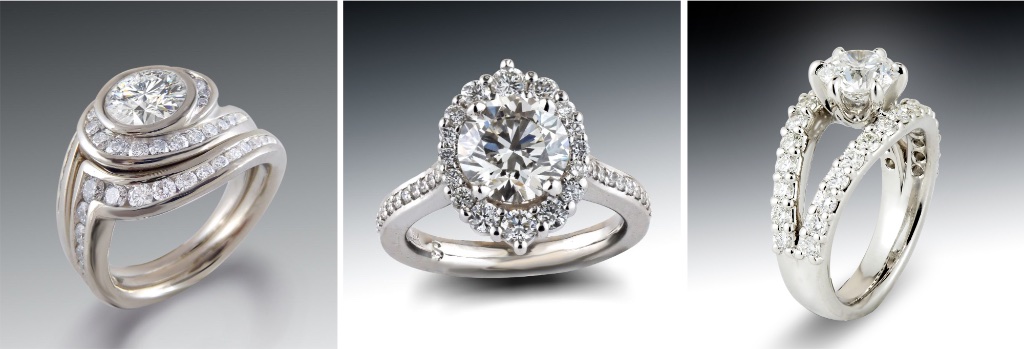
Platinum vs. White Gold: Choosing the Right Metal for Your Engagement Ring
When designing a custom engagement ring, choosing the right metal is just as important as selecting the perfect diamond or gemstone.
Two of the most popular choices for a white-metal engagement ring are platinum and white gold. Both offer a beautiful, sophisticated appearance and provide an excellent backdrop for diamonds and colored gemstones. But they have important differences in durability, weight, maintenance, color, and price.
At Skylight Jewelers, we have been designing and handcrafting custom jewelry in Boston for more than 50 years. We work with platinum and gold to create one-of-a-kind engagement rings and wedding bands, and we’re happy to help you determine which metal best suits your design, lifestyle, and budget.
There is no universally “best” choice. The right metal is the one that works best for you and the ring you want to create.
What Is Platinum?
Platinum is a naturally white precious metal known for its durability, density, and purity. Unlike white gold, platinum is naturally white. It does not require a coating to achieve its characteristic silvery-white appearance. Platinum is also very dense, which gives it a distinctive weight in the hand. Many people describe a platinum ring as feeling substantial and luxurious.
For engagement rings and wedding bands, platinum is especially valued for:
- Its natural white color
- Excellent durability
- High purity
- Resistance to tarnishing
- Its ability to securely hold gemstones
- Its distinctive weight and feel
Platinum is a particularly popular choice for intricate engagement rings and designs featuring valuable diamonds or gemstones.
What Is White Gold?
White gold is an alloy created by combining gold with other metals to produce a lighter-colored metal. Pure gold is naturally yellow, so white gold is mixed with other metals to create a paler appearance. Most white gold jewelry is also finished with a layer of rhodium, a bright white precious metal that gives the surface its highly reflective appearance.
White gold is popular because it offers:
- A bright white appearance
- The beauty of gold
- A lighter feel than platinum
- Excellent versatility
- A wide range of design possibilities
- Generally lower initial cost than platinum
White gold is available in different karats, with 14k and 18k being common choices for fine jewelry. At Skylight Jewelers, we can help you choose the appropriate gold alloy and karat based on the design and how you plan to wear the ring.
Platinum vs. White Gold: The Key Differences
| Feature | Platinum | White Gold |
|---|---|---|
| Natural color | Naturally white | Naturally yellowish; typically rhodium plated |
| Durability | Extremely durable | Durable, depending on alloy |
| Weight | Heavier and denser | Lighter |
| Surface appearance | Develops a natural patina | Rhodium creates a bright white finish |
| Maintenance | Generally low maintenance | May require occasional rhodium replating |
| Purity | Typically very high purity | Often 14k or 18k |
| Price | Generally more expensive | Generally more affordable |
| Allergies | Naturally hypoallergenic | Depends on alloy composition |
| Design flexibility | Excellent | Excellent |
Color: Platinum vs. White Gold
At first glance, platinum and rhodium-plated white gold can look remarkably similar. Platinum has a naturally white, slightly warm silvery appearance. Over time, the surface can develop a soft patina as the metal is worn. White gold is naturally somewhat warmer in color. Most white gold rings are coated with rhodium, which gives them a bright, crisp white appearance. Over time, the rhodium layer gradually wears away, particularly in areas that experience frequent contact. When this happens, the underlying white gold may appear slightly warmer.
Some people love the bright, mirror-like appearance of freshly rhodium-plated white gold. Others prefer the subtle, naturally white character and evolving patina of platinum. The choice often comes down to personal preference.
Durability and Everyday Wear
Both platinum and white gold can be excellent choices for an engagement ring that will be worn every day. However, they behave differently when exposed to wear. Platinum is extremely dense and durable. When platinum is scratched, the metal tends to move rather than being removed from the ring’s surface. This contributes to platinum’s reputation as an excellent metal for heirloom jewelry. White gold is also durable, but its properties depend on the particular alloy. Like all precious metals, it can scratch and wear over time.
For a ring that will be worn every day, the design itself is also extremely important. The shape and thickness of the band, the construction of the setting, and the way gemstones are secured all influence long-term durability. This is one reason custom craftsmanship matters.
Platinum’s Natural Patina
One of platinum’s distinctive characteristics is the way its surface changes with age. Rather than losing metal when scratched, platinum tends to develop what is known as a patina. The surface gradually takes on a softer, more satiny appearance. Some people see this as part of platinum’s appeal. The ring develops a visible record of the years it has been worn. Others prefer a highly polished finish and may choose to have the ring professionally polished periodically. Neither approach is right or wrong. It is simply a matter of aesthetic preference.
White Gold and Rhodium Plating
White gold rings are commonly finished with rhodium plating. Rhodium is an exceptionally bright white metal that creates the brilliant appearance many people associate with white gold jewelry. Because rhodium is a surface coating, it eventually wears down with normal use. The rate at which this happens varies depending on the wearer and the ring. Some people may choose to have their white gold ring professionally replated periodically to restore its bright white appearance. If you prefer a metal that does not require this type of surface treatment, platinum may be the better choice.
Is Platinum More Durable Than White Gold?
The answer depends on what you mean by “durable.” Platinum is exceptionally durable and well suited to everyday wear. Its density and unique properties make it particularly appealing for engagement rings and heirloom jewelry. White gold can also be highly durable, particularly when the appropriate alloy is chosen and the ring is well designed and maintained. The important distinction is how the metals respond to wear. Platinum tends to move when scratched, while other metals may lose small amounts of material through abrasion. For this reason, platinum is often chosen by people who want a ring designed to last for generations.
Which Metal Is More Expensive?
Platinum generally has a higher initial cost than white gold. There are several reasons for this, including platinum’s density and the high purity typically used in platinum jewelry. Because platinum is denser, a platinum ring requires more metal by weight than a comparable ring made from white gold.
White gold can offer a more accessible price point, allowing more of the budget to go toward:
- A larger center stone
- Higher diamond color or clarity
- Additional accent diamonds
- A more elaborate custom design
However, the initial purchase price is only one part of the equation. When comparing metals, it is also worth considering long-term maintenance and how you want the ring to age.
Which Is Better for a Diamond Engagement Ring?
Both platinum and white gold create a beautiful setting for diamonds. Platinum’s naturally white color provides a neutral background that allows diamonds to appear bright and colorless. Rhodium-plated white gold offers a similarly bright appearance when new. For a custom engagement ring, the choice may depend on the design.
Platinum can be an excellent choice for:
- Intricate settings
- Heirloom-quality rings
- Rings worn every day
- Designs where durability is a priority
- People who prefer a naturally white metal
- Those who appreciate a heavier feel
White gold can be an excellent choice for:
- Classic engagement rings
- Contemporary designs
- People who prefer a lighter-weight ring
- Couples working within a specific budget
- Designs where the budget is better allocated toward the center stone
What About Colored Gemstones?
Platinum and white gold are not limited to diamond engagement rings.
Both can beautifully complement gemstones such as:
- Sapphire
- Ruby
- Emerald
- Spinel
- Tourmaline
- Moonstone
When designing a custom gemstone engagement ring, the metal should be selected in relationship to the gemstone’s color and character. For example, a vivid blue sapphire may have a different visual effect when paired with platinum than when set in yellow or rose gold. At Skylight Jewelers, we often work with unusual and distinctive gemstones, and the choice of metal is an important part of creating a balanced design.
Platinum vs. White Gold: Which Should You Choose?
Choose platinum if you want:
- Naturally white metal
- Exceptional durability
- A heavier, substantial feel
- Minimal surface maintenance
- A metal that develops a natural patina
- An heirloom-quality material
Choose white gold if you want:
- A bright white appearance
- A lighter-weight ring
- More flexibility in your overall budget
- A classic precious-metal option
- The ability to allocate more of your budget toward the gemstone or design
Ultimately, the best choice depends on your priorities.
The Metal Is Part of the Design
When you choose a custom engagement ring, the metal should not be an afterthought.
It influences the ring’s:
- Color
- Weight
- Proportions
- Durability
- Texture
- Relationship with the center stone
- Overall character
A custom jeweler can help you consider all of these elements together.
At Skylight Jewelers, we approach each ring as an individual design. Rather than starting with a predetermined setting, we can develop a ring around your gemstone, your ideas, and the way you intend to wear it.
Why Choose Skylight Jewelers for a Custom Engagement Ring?
For more than 50 years, Skylight Jewelers has been designing and handcrafting custom jewelry in downtown Boston.
Our approach combines traditional jewelry-making techniques with an artistic and individual approach to design. Whether you envision a platinum diamond solitaire, a white gold engagement ring, or a completely unconventional combination of gemstones and metals, we can help bring your ideas to life.
A custom engagement ring gives you the opportunity to make decisions that go far beyond choosing between platinum and white gold. You can select the gemstone, shape, proportions, setting, metal, and every other detail to create a ring that is uniquely yours.
Frequently Asked Questions
Is platinum better than white gold?
Neither metal is universally better. Platinum is naturally white, dense, and exceptionally durable, while white gold offers a bright appearance and can be a more affordable option. The best choice depends on your preferences, lifestyle, design, and budget.
Does platinum turn yellow?
No. Platinum is naturally white and does not require rhodium plating. It may develop a soft patina with wear, but it does not turn yellow like the underlying gold in white gold can appear when rhodium plating wears away.
Does white gold need to be replated?
White gold is commonly rhodium plated to create a bright white appearance. Over time, the plating can wear away and may need to be renewed, depending on how the ring is worn.
Is platinum heavier than white gold?
Yes. Platinum is denser than white gold, so a platinum ring generally feels heavier and more substantial than a comparable white gold ring.
Is platinum hypoallergenic?
Platinum is generally considered an excellent choice for people with metal sensitivities because fine platinum jewelry is highly pure. However, the exact composition of any jewelry alloy should be confirmed if you have a known metal allergy.
Can I change my white gold engagement ring to platinum later?
In most cases, changing the metal of an existing ring is not a simple process. Depending on the design, a new ring may need to be created. If you are considering platinum, it is often best to make that decision during the original design process.
Ready to Design Your Custom Engagement Ring?
Whether you choose platinum, white gold, yellow gold, rose gold, or another precious metal, the right engagement ring begins with a thoughtful design.
Visit Skylight Jewelers in downtown Boston to discuss your ideas and explore the possibilities of creating a custom engagement ring designed and handcrafted specifically for you.